
Velma Jones
LCSWNew York · 29 yrs exp
Practical, relationship-focused therapy for emotional strain
Stress, Anxiety · Relationship · Trauma and abuse · Depression · +10 more
Read profileTherapist listings are provided by BetterHelp. We earn a commission at no additional cost to you if you use our links to purchase.
This page brings together clinician profiles that list jealousy as a focus so you can compare experience, approaches, and background. Browse individual profiles to review focus areas, therapeutic approaches, credentials, and languages to help identify a potential match.
New York · 29 yrs exp
Practical, relationship-focused therapy for emotional strain
Stress, Anxiety · Relationship · Trauma and abuse · Depression · +10 more
Read profile
North Carolina · 25 yrs exp
Experienced LMFT for relationship and life changes
Stress, Anxiety · Relationship · Family · Grief · +15 more
Read profile
Colorado · 19 yrs exp
Practical, compassionate therapy for everyday challenges
Stress, Anxiety · Relationship · Trauma and abuse · Grief · +12 more
Read profile
Texas · 13 yrs exp
Practical, kind therapy for everyday struggles
Stress, Anxiety · Relationship · Trauma and abuse · Anger · +11 more
Read profile
Florida · 20 yrs exp
Compassionate counselor for life changes
Stress, Anxiety · Addictions · Relationship · Self esteem · +16 more
Read profile
Maine · 12 yrs exp
Practical, collaborative counseling for everyday goals
Stress, Anxiety · Self esteem · Depression · Coping with life changes · +16 more
Read profile
Oregon · 26 yrs exp
Experienced LCSW focusing on practical emotional tools
Stress, Anxiety · Trauma and abuse · Grief · Depression · +10 more
Read profile
Kansas · 12 yrs exp
Compassionate therapist who tackles relationship challenges
Stress, Anxiety · Relationship · Intimacy-related issues · Depression · +13 more
Read profile
Kentucky · 18 yrs exp
Warm, practical therapy for relationship and identity concerns
LGBT · Relationship · Family · Self esteem · +14 more
Read profile
Colorado · 15 yrs exp
Experienced, action-focused counselor
Stress, Anxiety · Relationship · Intimacy-related issues · Self esteem · +10 more
Read profile
Louisiana · 7 yrs exp
Compassionate counselor focused on meaning and change
Stress, Anxiety · Family · Trauma and abuse · Parenting · +15 more
Read profile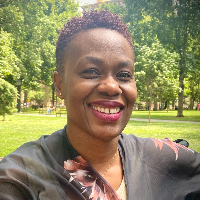
Oklahoma · 7 yrs exp
Compassionate counselor for relationship and life struggles
Stress, Anxiety · Relationship · Grief · Depression · +8 more
Read profile
Pennsylvania · 12 yrs exp
Practical, collaborative help for relationship and stress concerns
Stress, Anxiety · Relationship · Self esteem · Depression · +11 more
Read profile
Arizona · 6 yrs exp
Compassionate counselor focusing on practical change
Stress, Anxiety · Relationship · Family · Self esteem · +11 more
Read profile
North Carolina · 10 yrs exp
Compassionate therapist blending faith and evidence-based care
Stress, Anxiety · Relationship · Family · Bipolar · +16 more
Read profile
Florida · 15 yrs exp
Solution-focused care for relationship and intimacy concerns
Relationship · Family · Intimacy-related issues · Coaching · +4 more
Read profile
Missouri · 7 yrs exp
Focused, practical counseling for change
Stress, Anxiety · Addictions · Relationship · Self esteem · +13 more
Read profile
Louisiana · 10 yrs exp
Compassionate therapy to untangle relationship patterns
Stress, Anxiety · Relationship · Family · Depression · +12 more
Read profile
Kentucky · 10 yrs exp
Practical, values-focused therapy with real-life tools
Stress, Anxiety · Family · Self esteem · Depression · +12 more
Read profile
Texas · 10 yrs exp
Guiding steady, practical support for life transitions
Stress, Anxiety · Relationship · Family · Depression · +14 more
Read profile
Florida · 26 yrs exp
Supportive counselor focused on emotional healing
Stress, Anxiety · Relationship · Anger · Depression · +13 more
Read profile
Ohio · 18 yrs exp
Compassionate counselor who focuses on real change
Stress, Anxiety · Trauma and abuse · Grief · Anger · +11 more
Read profile
Ohio · 33 yrs exp
Compassionate counselor focused on practical progress
Stress, Anxiety · Family · Trauma and abuse · Self esteem · +12 more
Read profile
Illinois · 10 yrs exp
Compassionate counselor for relationship and identity concerns
Stress, Anxiety · LGBT · Relationship · Trauma and abuse · +10 more
Read profileWhen jealousy shows up, it can affect how you think about yourself, the people around you, and your choices. You might feel intense comparison, uncertainty about another person’s intentions, or a pull to check up on someone. Those experiences can be confusing and painful, and they do not mean there is something fundamentally wrong with you. You may want support for stronger communication, clearer personal boundaries, or for working through underlying worries about trust and self-worth. You may also be exploring whether jealousy is linked to past experiences, attachment history, or patterns that have resurfaced in different relationships.
As you look through profiles, think about what you want to change and what would feel safer and more manageable for you. Therapy for jealousy often involves understanding the thoughts and feelings that fuel comparisons and learning ways to express needs without pressure or surveillance. Therapy is not about monitoring or controlling another person, and it should not encourage pressuring someone to stay in an unsafe relationship. Whether your concerns are about romantic partnerships, friendships, family ties, or workplace dynamics, you can use listings to find clinicians who note jealousy as part of their focus and then ask them how they approach the specific situation you face.
Jealousy rarely exists in isolation. Many clinicians who list jealousy among their focus areas also work with anxiety, relationship stress, self-esteem, trauma responses, or attachment patterns. That overlap does not imply a single cause or a universal treatment path. Instead, it reflects the variety of ways jealousy can show up and the different lenses a clinician might bring to that experience. Some people find that addressing communication habits helps, while others need support with emotion regulation or with understanding how past hurts influence present reactions.
Keep in mind that a therapist’s profile indicates what they list as focus areas and approaches, but it is not evidence of specialist certification or guarantees about outcomes. The directory includes professionals from the United States, the United Kingdom, and Australia, and the terminology used on profiles can differ by country. In the United States you may see licensing credentials listed, while in the United Kingdom and Australia profiles often note registration or professional membership. When you read a profile, look for how the clinician describes the kinds of jealousy-related concerns they work with, whether they mention working with individuals, and whether they reference cultural or identity considerations that matter to you.
As you compare profiles, prepare concrete questions that clarify how a clinician would work with your situation. You might ask how they conceptualize jealousy and whether they focus more on thoughts, emotions, behavior, or relationship patterns. Ask whether they have experience addressing jealousy related to dating, long-term relationships, cross-cultural expectations, or family dynamics if any of those apply to you. If you are exploring trauma or attachment-related issues, you can ask how they integrate that understanding into jealousy work. You can also inquire about the kinds of approaches they use - for example, therapists who list EMDR among their approaches, cognitive-behavioral ideas, psychodynamic perspectives, or emotion-focused work - and ask how those approaches would be applied to jealousy.
Ask about the clinician’s experience with people whose needs resemble yours and how they measure progress in the areas that matter to you. If you prefer a direct, skills-based style or a reflective, insight-oriented approach, ask the clinician to describe their therapeutic stance and typical session structure. If language access is important, check which languages the clinician speaks and whether they can accommodate cultural or identity-specific issues. Remember that a listed topic does not establish that a therapist treats children, couples, or families; you should discuss your needs and the clinician’s actual scope directly.
If you are considering remote sessions, there are practical and safety-related topics to raise before starting. Discuss the technology platform they use, how they handle appointment scheduling and cancellations, and what to expect if a connection drops. Talk about privacy protections and how your personal information is handled, and ask about recording policies if that matters to you. It is reasonable to ask about jurisdictional limits - whether the clinician is licensed to offer care to people in your state or whether they hold registration or professional membership in the country where you live.
Plan how you will create a conducive setting for sessions by choosing a quiet private space where you can speak without interruptions. If you have concerns about mental health crises or safety, ask the clinician how they handle emergencies and what local resources they recommend in your area. Clarify expectations around boundaries, between-session contact, and what you want to achieve so you can both gauge fit. These practical conversations help you understand how a clinician works and whether their approach aligns with your needs before you move forward.
When comparing profiles, pay attention to how jealousy is described in relation to other focus areas. Some clinicians list jealousy alongside relationship communication and boundary work, while others place it with anxiety or trauma-related concerns. That contextual detail helps you identify who frames the issue in a way that resonates with you. Look at the languages spoken and whether the clinician highlights cultural competence or experience with communities similar to yours, as language and cultural understanding can influence how comfortable you feel in sessions.
Examine credentials as a way to understand training pathways and professional oversight without assuming they define effectiveness. In the United States you may see common licensing designations listed, while in the United Kingdom and Australia profiles may note registration or membership in professional bodies. Ask clinicians to explain what their listed credentials mean in practice and how their background shapes the work they do. Finally, consider the clinician’s described style and values. Some profiles emphasize collaborative, skills-based work and homework, while others emphasize exploration and insight. Think about what kind of pace and level of directness you prefer, whether you want a clinician who will focus on communication skills or on emotional processing, and choose profiles that offer clarity about the approach so you can raise specific questions in an initial conversation.
Finding the right fit for jealousy-related concerns often means balancing concrete criteria with the sense that a clinician understands your situation. Use profiles to narrow your options, prepare targeted questions, and trust your judgment about who feels like a good match for the work you want to do. If you are ready, reach out to individual profiles to learn more and to discuss how a clinician’s focus areas and approach might align with your goals.
Alabama
53 therapists
Alaska
8 therapists
Arizona
57 therapists
Arkansas
33 therapists
Australia
159 therapists
California
337 therapists
Colorado
114 therapists
Connecticut
38 therapists
Delaware
9 therapists
District of Columbia
13 therapists
Florida
593 therapists
Georgia
187 therapists
Hawaii
19 therapists
Idaho
38 therapists
Illinois
166 therapists
Indiana
70 therapists
Iowa
22 therapists
Kansas
41 therapists
Kentucky
66 therapists
Louisiana
105 therapists
Maine
15 therapists
Maryland
65 therapists
Massachusetts
53 therapists
Michigan
188 therapists
Minnesota
55 therapists
Mississippi
49 therapists
Missouri
142 therapists
Montana
32 therapists
Nebraska
37 therapists
Nevada
29 therapists
New Hampshire
13 therapists
New Jersey
115 therapists
New Mexico
22 therapists
New York
236 therapists
North Carolina
217 therapists
North Dakota
3 therapists
Ohio
122 therapists
Oklahoma
105 therapists
Oregon
36 therapists
Pennsylvania
169 therapists
Rhode Island
10 therapists
South Carolina
89 therapists
South Dakota
14 therapists
Tennessee
84 therapists
Texas
583 therapists
United Kingdom
1891 therapists
Utah
38 therapists
Vermont
7 therapists
Virginia
70 therapists
Washington
52 therapists
West Virginia
18 therapists
Wisconsin
97 therapists
Wyoming
12 therapists