- Collaborative approach
- Practical strategies
- Eight years experience
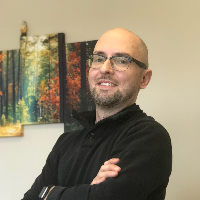
About Thom
Thom focuses on the working relationship as the engine of progress. He aims to meet people where they are and to make the process as low-stress and approachable as possible. He describes many clients as carrying an invisible bucket of stressors; therapy is a place to empty that bucket and learn ways to prevent it from overflowing again.
Sessions involve talking through current problems, naming and organizing feelings and thoughts, and building practical strategies for change. Thom draws from attachment-based ideas, client-centered principles, cognitive behavioral techniques, dialectical behavior skills, and the Gottman Method to shape sessions in straightforward ways. He emphasizes making small, consistent changes that add up over time.
Thom brings eight years of clinical experience to his practice. He aims to combine clarity, patience, and a bit of humor so people feel heard and understood. His approach stresses collaboration: clients and clinician work together to identify goals and test what helps in daily life.
If someone wants to start, Thom asks them to consider what they most want to change and how they would notice progress. That focus then guides the first steps of scheduling and planning treatment.
How his approaches translate to online therapy
Attachment-Based Therapy focuses on how early bonds shape current relationships and emotions; online sessions can help people notice patterns in how they connect and practice new ways of relating. Client-Centered Therapy centers on the person’s own goals and pace, offering a space where the therapist listens, reflects, and follows what matters most to the client. Cognitive Behavioral Therapy (CBT) breaks down unhelpful thoughts and behaviors into manageable steps and teaches concrete skills for changing them.Choosing an approach is a collaborative process. The therapist will work with each person to identify goals, try methods that match those goals, and adjust the plan based on what actually helps. The emphasis is on testing small changes and building what works into daily life.
Practical benefits of online work include fitting sessions into a busy schedule and keeping therapy consistent during life transitions. Because session formats are not specified in the biography, confirm current options before booking. Online meetings can be useful when travel or time constraints make in-person visits hard, and they can make it easier to maintain regular check-ins while you work on skills between sessions.
Areas of expertise
Primary focus
Also works with
Additional focus areas
Therapeutic approaches
Experience
8+ years
Credentials
Tennessee
Languages
English
Frequently asked questions
What kinds of issues does Thom help with?
He supports people dealing with stress, anxiety, addictions, trauma, low self-esteem, depression, grief, sleep and anger problems, ADHD, relationship and intimacy concerns, and related life changes.
What is his therapy style like?
He emphasizes a strong working relationship and a down-to-earth style. Sessions focus on talking through concerns, naming thoughts and feelings, and building practical steps to change.
How much clinical experience does he have?
He has eight years of clinical experience as a licensed social worker in practice.
What credentials and location are listed?
He holds the LCSW credential and practices in Tennessee.
Which languages and international options are available?
Sessions are offered in English and he accepts international clients.
What session formats are offered?
Session formats are not specified in this biography; please confirm current session options before booking.
How does cost and billing work?
Cost varies with location and therapist availability and sessions use a subscription that can be canceled at any time.
How do I begin working with him?
Use the continue button on this profile, complete a short matching questionnaire, and schedule according to therapist availability.