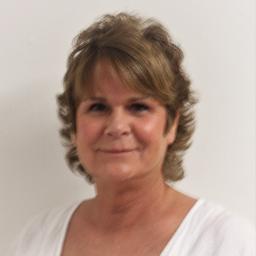
- Warm and direct
- Goal oriented
- Skill building
About Suzanne
She draws on practical, conversational work rather than lectures. Sessions focus on clear goals, skill-building, and real-life changes. Suzanne uses straightforward tools to reduce distress and improve day-to-day functioning.
Her background includes inpatient drug and alcohol treatment, sexual abuse counseling, and community mental health settings. That range informs how she approaches complex situations like co-occurring concerns and chronic health challenges. The experience also shapes her approach to losses, caregiving strain, and major life transitions.
Suzanne’s style is warm, direct, and interactive. She encourages clients, asks practical questions, and suggests exercises to try between sessions. Progress is viewed as a step-by-step process, with attention to what works for each person.
She commonly uses client-centered methods alongside cognitive behavioral strategies, dialectical behavior techniques, mindfulness practices, and motivational interviewing. People who choose her can expect a collaborative plan aimed at manageable changes over time.
How Suzanne’s approaches translate to online work
Client-Centered Therapy centers on the person in front of the therapist. It emphasizes listening, empathy, and building a collaborative conversation to find what matters most to the client. This approach helps with anxiety, stress, and life changes by focusing on the client’s own goals and strengths.Cognitive Behavioral Therapy, or CBT, looks at how thoughts, feelings, and behaviors connect. It uses practical exercises and short experiments to change patterns that maintain anxiety, depression, or unhealthy coping. CBT is often goal focused and teaches skills that people can use between sessions.
Dialectical Behavior Therapy, DBT, adds clear skills for managing intense emotions and improving communication. It includes techniques for distress tolerance, emotion regulation, and interpersonal effectiveness that are useful for persistent emotional challenges.
Finding the right approach is part of the process. Suzanne collaborates with each person to decide which methods fit their needs, goals, and preferences. That may mean combining elements from different approaches and adjusting the plan over time based on what helps.
Session formats are not specified in the biography, so confirm current session options before booking. Online work can make it easier to fit therapy into a busy life, cut down on travel time, and allow shorter check-ins when a full hour is not practical. Licensed professionals can adapt exercises, worksheets, and mindfulness practices to an online setting so clients can keep making progress between meetings.
Areas of expertise
Primary focus
Additional focus areas
Therapeutic approaches
Experience
22+ years
Credentials
Illinois
Languages
English
Frequently asked questions
What problems does Suzanne help with?
She works with stress, anxiety, depression, grief, trauma and addictions, plus related issues like attachment and communication problems.
How would you describe her therapeutic style?
Her style is genuine, compassionate, and interactive with a focus on practical steps and skill building.
What kind of experience does she bring?
She has 22 years working as a therapist, mentor, and life coach in settings such as inpatient substance treatment and community mental health.
What credentials and region are listed?
She holds the LCPC credential and practices in Illinois.
Which languages are supported for sessions?
Sessions are offered in English.
Are international clients served?
International clients are not currently accepted.
How are fees and billing handled?
Cost varies with location and therapist availability; sessions use a subscription that can be canceled at any time.
How do I begin working together?
Select the continue button on this profile, complete a short matching questionnaire, and then schedule according to therapist availability.