- Addictions and recovery
- Relationship and attachment
- Practical skills and goals
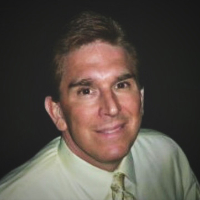
About Steve
He uses practical talk therapy tools to help people notice patterns, change unhelpful reactions, and try new ways of coping. Sessions emphasize clear goals and skills that can be used between meetings. Steve often blends behavior-focused techniques with attention to how early attachments and relationships shape current worries.
People can expect a direct but compassionate style. Steve helps people name what they want to change, practice different responses, and track small steps forward. He also works with clients on impulse control, anger, and career or parenting stress when those issues come up.
His clinical approach draws from Acceptance and Commitment Therapy, Cognitive Behavioral Therapy, Dialectical Behavior Therapy, Attachment-Based Therapy, and client-centered methods. Steve frames these methods in everyday language and focuses on practical strategies rather than jargon.
Steve holds a Missouri LPC and has about ten years of professional experience. He offers therapy in English and asks new clients to complete a short matching questionnaire before scheduling. Prospective clients are invited to use the site process to begin a conversation and see if his style fits their needs.
How Steve’s approaches translate to online work
Acceptance and Commitment Therapy (ACT) helps people notice difficult thoughts and feelings without getting stuck in them, and then take steps toward what matters. This approach is useful for anxiety, depression, and problems tied to avoidance. Cognitive Behavioral Therapy (CBT) focuses on identifying unhelpful thinking and testing new behaviors to change mood and stress levels. CBT is often used for anxiety, depression, and coping skills. Attachment-Based Therapy looks at how early relationships shape current ways of relating and helps people build different patterns in close relationships and intimacy.Choosing an approach is a team effort. The therapist will talk with each client about their goals, try methods that match those goals, and adjust the plan as needed. Clients can expect collaborative decision making about what techniques to try and when to shift focus.
Session formats are not specified in the biography, so please confirm the current options before booking. Online therapy can make it easier to fit meetings into a busy week, allow shorter check-ins when needed, and remove travel time so sessions are more convenient. It also lets clients practice new skills in everyday life and bring real situations into discussion. A licensed professional will discuss which session rhythm and length work best for each person.
Areas of expertise
Primary focus
Also works with
Additional focus areas
Therapeutic approaches
Experience
10+ years
Credentials
Missouri
Languages
English
Frequently asked questions
What kinds of concerns does Steve help with?
He works with a range of issues including addictions, anxiety, depression, relationship and intimacy concerns, trauma and grief, parenting stress, ADHD, and career-related strain.
What is his therapy style like?
Sessions tend to be straightforward and skills-focused, mixing talk with practical exercises to change reactions and build better habits.
How much clinical experience does he have?
He has about 10 years of experience working in counseling and related clinical roles.
What credentials and location apply to this clinician?
He holds the LPC credential, which stands for Licensed Professional Counselor, and practices in Missouri.
Which languages are available for sessions?
Sessions are offered in English.
Can international clients work with him?
International clients are not currently accepted.
How does payment and cost work?
Cost varies with location and subscription options; sessions use a subscription that can be canceled at any time.
How do I begin a session with him?
Start by clicking the continue button on this profile, complete a short matching questionnaire, and then schedule sessions according to the therapist's availability.