- Collaborative approach
- Practical between-session work
- LGBTQ+ informed
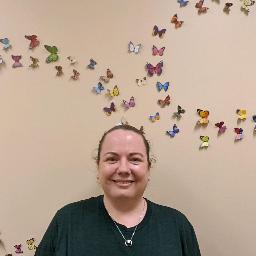
About Sarah
Sarah draws on 15 years of clinical experience and keeps sessions straightforward and practical. She focuses on building a collaborative relationship where goals are clear and work between sessions reinforces progress. Tasks between meetings are common and are used to practice new skills and test different ways of thinking.
Her background includes a Master of Social Work and a Post Baccalaureate Certificate in Aging Studies from Virginia Commonwealth University. She has provided therapy in outpatient clinics, intensive community settings, and a hospital setting. Her clinical work has included helping people with depression, bipolar spectrum conditions, trauma, substance use, and autism spectrum concerns.
In session she blends client-centered listening with cognitive behavioral tools, motivational interviewing, mindfulness, and narrative techniques. That mix is chosen to match what each person needs and prefers, rather than offering a one-size-fits-all plan. She explains exercises plainly and keeps the focus on usable strategies.
Sessions are scheduled around weekday evenings and Saturday late mornings and afternoons. People who want to begin are encouraged to use the provider’s matching process to match and arrange an initial appointment.
Approaches that guide online work
Client-centered therapy focuses on understanding a person’s perspective. The therapist listens closely and helps the person set goals that feel meaningful and realistic. Cognitive behavioral therapy, or CBT, looks at thinking and behavior patterns and teaches practical ways to test and change them, which can help with anxiety, low mood, and sleep issues.Finding the right approach is part of the first sessions. The therapist will work together with the client to choose which techniques to try based on goals, preferences, and what feels most useful. That collaborative process can include trying different strategies and adjusting them over time.
Confirm current session options before booking so you know how appointments are offered. Online therapy can make it easier to fit sessions into a busy schedule, for example by avoiding travel time or using a shorter check-in when needed. It also allows continued work between sessions through assigned tasks and exercises that are reviewed in follow-ups.
Areas of expertise
Primary focus
Also works with
Additional focus areas
Therapeutic approaches
Experience
15+ years
Credentials
Virginia
Languages
English
Frequently asked questions
What kinds of concerns does she help with?
She works with stress, anxiety, depression, grief, addictions, relationship worries, parenting strain, sleep problems, anger, and coping with life changes among other issues.
What is her general therapy style?
Sessions are collaborative and practical. She listens first, then uses straightforward tools like cognitive behavioral techniques, mindfulness, and motivational interviewing to help people reach goals.
How long has she been practicing?
She has 15 years of clinical experience providing psychotherapy in outpatient, community-based, and hospital settings.
What are her credentials and where is she based?
She is a Licensed Clinical Social Worker (LCSW) and practices out of Virginia.
Which languages are supported for sessions?
Sessions are offered in English.
Can people outside the United States work with her?
International clients are accepted; confirm any regulations that might affect cross-border care before booking.
How are fees handled?
Cost varies with location and therapist availability; sessions use a subscription that can be canceled at any time.
How do I begin working with her?
Select the continue button on this profile, complete a short matching questionnaire, and schedule according to the therapist's availability.