- Client-centered support
- Practical skill building
- Relationship focus
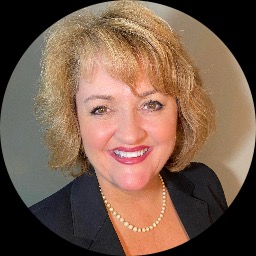
About Sara
She begins by listening and helping clients name the patterns that cause pain or doubt. Sessions emphasize clear goals and small changes that build confidence over time. Dr. Lewis-Stankus uses approaches that include client-centered work, cognitive behavioral ideas, dialectical behavior strategies, EMDR, and the Gottman Method as appropriate to the person’s needs.
Her style is straightforward and collaborative. She helps people practice new ways of communicating, manage strong emotions, and shift unhelpful thoughts. Work may include skill-building for stress management, problem solving around career choices, or tools to address jealousy and trust concerns.
Dr. Lewis-Stankus offers support for life transitions such as divorce, caregiving strain, chronic health challenges, and aging-related worries. She also addresses issues like guilt, shame, impulsivity, isolation, and body image in concrete ways that relate to daily life.
Clients who choose to work with her complete a short matching questionnaire to begin. The process focuses on clear next steps, honest conversation, and practical strategies to move forward.
How therapeutic approaches shape online care
Client-Centered Therapy focuses on listening and responding to each person's experience so they feel understood and can set meaningful goals. It helps when someone needs an empathic space to sort through difficult feelings and make choices.Cognitive Behavioral Therapy, or CBT, looks at how thoughts, feelings, and actions link together and teaches tools to change unhelpful patterns. It is often used for anxiety, stress, and relationship worries where practical strategies can reduce distress.
Dialectical Behavior Therapy, or DBT, teaches skills for emotion regulation, distress tolerance, and clearer communication. It can be useful for people who want concrete skills to manage strong emotions and improve interactions with others.
Finding the best approach is part of the work. The therapist will talk with each person about goals, preferences, and what has or hasn’t helped before. Together they decide which methods to try and adjust the plan as progress is made.
For online therapy logistics, confirm the session formats offered before booking so you know what options are available. Many people find remote sessions easier to fit into work, caregiving, or travel schedules, and online meetings can make follow-up and skill practice more convenient. Ask about scheduling, session length, and any steps for preparing so sessions match everyday life and goals.
Areas of expertise
Primary focus
Additional focus areas
Therapeutic approaches
Experience
26+ years
Credentials
West Virginia, California, Florida
Languages
English
Frequently asked questions
What concerns does she commonly help with?
She helps people manage stress, anxiety, relationship and self-esteem issues, career questions, and coaching goals. Additional focuses include jealousy, attachment concerns, chronic illness, caregiving stress, and forgiveness.
What is her therapeutic style like?
Her approach is collaborative and down-to-earth. She listens first, sets clear goals, and teaches practical skills for managing emotions and changing unhelpful patterns.
How much experience does she have?
She brings 26 years of professional experience working with adults on personal growth and life transitions.
What credentials and location are listed?
She is listed as LPC and LMHC with licensure in West Virginia and Florida and practices from West Virginia.
Which languages are sessions offered in?
Sessions are offered in English and international clients are accepted.
What session formats are available?
Confirm current session options before booking so you know what formats are offered for scheduling and follow-up.
How does cost and payment work?
Cost varies with location and therapist availability and sessions use a subscription that can be canceled at any time.
How do I start a first session?
Click the continue button on this profile, complete a short matching questionnaire, and then schedule according to the therapist's availability.