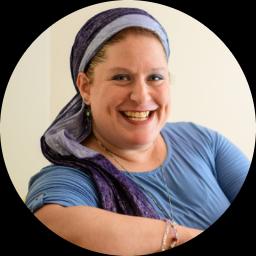
About Rachel
She listens carefully to each person and treats them with respect and compassion. Sessions focus on practical ways to cope, clearer communication, and rebuilding a sense of control after loss or trauma. Rachel works with issues around intimacy, parenting, anger, self-esteem, career change, and life transitions.
Her background includes long-term independent practice and work in medical settings such as nursing homes, hospitals, and hospice. That mix of settings informs a down-to-earth approach that values both emotional safety and real-world problem solving. She also supports people dealing with chronic illness, caregiver stress, cancer, and aging concerns.
Rachel uses Eye Movement Desensitization and Reprocessing, often called EMDR, as one of her clinical methods to address trauma and painful memories. She integrates that with practical coping strategies tailored to each person's goals. Sessions are offered in English and Hebrew.
People who are worried about jealousy, betrayal, or trust issues will find focused attention on intimacy and relationship patterns. Rachel encourages collaborative planning so therapy fits each person's pace and life. To begin, follow the site steps to match and schedule a session.
EMDR and practical approaches for online help
Rachel uses Eye Movement Desensitization and Reprocessing, usually called EMDR, which helps people process traumatic memories and reduce the intensity of painful recollections. EMDR uses structured attention and guided processing to help the mind change how it holds distressing events and related feelings.Her other work focuses on straightforward coping skills and communication strategies that people can practice between sessions. These approaches help with anxiety, grief, relationship strain, and the day-to-day effects of stress and chronic illness.
Finding the right approach is part of the work together. Rachel will collaborate with clients to choose methods that match their goals, comfort level, and current needs. That plan can change as progress is made and priorities shift.
Session formats are not specified in the biography, so confirm current session options before booking. Online work can make it easier to fit therapy into a busy schedule, reduce travel time, allow shorter check-ins when needed, and let people join from different locations within their state. Licensed professionals can adapt EMDR and coping-focused sessions to work well over remote visits when appropriate, and Rachel will discuss practical arrangements during the matching and scheduling steps.
Areas of expertise
Primary focus
Also works with
Additional focus areas
Therapeutic approaches
Experience
22+ years
Credentials
Illinois
Languages
English, Hebrew
Frequently asked questions
What concerns does Rachel help with?
She helps people with stress, anxiety, relationship and family difficulties, grief, depression, LGBT issues, trauma, intimacy problems, parenting, anger, self-esteem, career change, and ADHD-related struggles.
What is her general therapy style?
Rachel offers a practical, listening-first approach that focuses on coping skills, clearer communication, and working through painful memories at a pace that feels manageable.
How much experience does she have?
She has more than 22 years of clinical experience in independent practice and medical settings such as nursing homes, hospitals, and hospice.
What are her credentials and where is she located?
She is an Illinois licensed clinical social worker (LCSW) practicing from Illinois.
Which languages are supported?
Sessions are offered in English and Hebrew.
Can people outside the U.S. work with her?
She does not work with international clients at this time.
How does cost and payment work?
Cost varies with location and therapist availability; sessions use a subscription model that can be canceled at any time.
How do I begin a therapy relationship?
Use the continue button on this profile, complete the short matching questionnaire, and schedule sessions according to the therapist's availability.