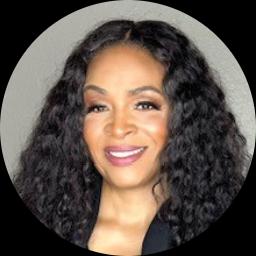
- Compassionate support
- Practical strategies
- Client-focused
About Monica
Monica works in a respectful and down-to-earth way. Conversations and plans are shaped to fit each person’s situation. She focuses on what matters to the client and breaks goals into clear, doable steps. Her approach is practical and supportive rather than one-size-fits-all.
With 11 years of experience, Monica draws on several well-known approaches. She uses client-centered methods to keep therapy focused on the person's own goals. She also integrates cognitive behavioral tools to help change unhelpful thinking and behavioral patterns.
Mindfulness and dialectical strategies are part of her toolkit when emotions feel overwhelming. Motivational interviewing techniques may be used to work through ambivalence about change, especially around addiction or habit shifts. Sessions emphasize skills you can try between meetings.
Monica aims to make the first steps toward change feel manageable. She will listen, help set priorities, and work with clients on practical strategies. People who want clear, compassionate guidance for life transitions and relationship concerns often find this style useful.
How Monica’s Approaches Translate to Online Therapy
Client-centered therapy focuses on the person's own goals and perspectives. In practice this means the therapist listens closely and shapes sessions around what the client says matters most, which helps when tackling relationship stress, parenting strain, or feelings like jealousy.Cognitive Behavioral Therapy, or CBT, looks at the links between thoughts, feelings, and actions. It offers clear exercises and tracking tools to try between sessions, useful for anxiety, depression, sleep problems, and habit change.
Dialectical Behavior Therapy, DBT, offers skills for handling intense emotions and improving interpersonal effectiveness. It can be helpful for anger, impulsivity, and situations where emotional regulation feels difficult.
Finding the best approach is part of the work together. The therapist will talk with the client to decide which methods fit their goals and preferences, and will adapt plans as progress is made. This collaborative process helps tailor tools and pace to each person.
Confirm the current session options before booking since formats are not listed here. Online sessions can make it easier to fit therapy into a busy life, reduce travel time, and allow for shorter check-ins when needed. Discussing practical scheduling needs and preferred ways of meeting happens during the initial steps so sessions fit day-to-day routines.
Areas of expertise
Primary focus
Also works with
Additional focus areas
Therapeutic approaches
Experience
11+ years
Credentials
North Carolina
Languages
English
Frequently asked questions
What kinds of concerns does Monica address?
She helps with stress, anxiety, depression, addictions, relationship and parenting issues, trauma and grief, jealousy, sleep problems, anger, self-esteem, career changes, and related concerns.
How would you describe her therapy style?
Monica uses a practical, down-to-earth approach that centers on the client's goals. Conversations focus on clear steps and skills to try between sessions.
What experience does she have?
She brings 11 years of professional experience working with a range of mental health and behavioral concerns.
What are her credentials and where is she based?
She is an LCMHC, which stands for Licensed Clinical Mental Health Counselor, licensed in North Carolina.
Which languages are supported for sessions?
Sessions are offered in English.
Can people outside the United States work with her?
She is not accepting international clients at this time.
How are sessions billed or priced?
Cost varies with location and therapist availability; sessions use a subscription that can be canceled at any time.
How do I begin working with her?
Select the continue button on this profile, complete a short matching questionnaire, and schedule according to therapist availability.