- Client-centered care
- Focus on relationships
- Practical strategies
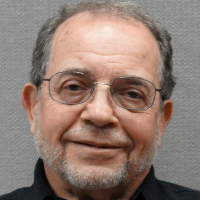
About Michael
Clients find a direct, client-centered approach in sessions. Michael encourages honest conversation and asks what the client wants from therapy. He treats the person as the decision maker and supports the steps they choose to take.
His style draws from several traditions. Attachment-based ideas inform how he looks at close relationships. Emotionally-focused methods help when strong feelings drive conflict. Motivational interviewing shapes work on substance use or other behavior change.
Michael also uses psychodynamic and solution-focused thinking to spot patterns and set achievable steps forward. Sessions typically mix talking about past influences with concrete strategies for today. The goal is steady progress rather than quick fixes.
He has 15 years of counseling experience and holds an LCSW-C, which is a licensed clinical social worker credential in Maryland. He works in English. For people considering therapy, he asks them to identify their goals so sessions stay focused and useful.
How his approaches shape online work
Attachment-Based Therapy focuses on how early bonds influence present relationships and helps people notice patterns in closeness and trust. It can be useful for jealousy, intimacy struggles, and attachment issues. Client-Centered Therapy centers the person’s experience and pace; the therapist listens, reflects, and follows the client’s lead to build clarity about goals. Emotionally-Focused Therapy helps people name and work through strong feelings that fuel conflict and disconnection, often useful for relationship pain and intense emotions.Choosing the right approach is a collaborative process. The therapist will talk with the client about their needs, goals, and preferences, and together they will try methods that fit. Plans can be adjusted if something isn’t working or if priorities change over time.
The original biography does not list specific online session formats, so confirm current options before booking. In general, remote sessions can make it easier to fit therapy into a busy week, reduce commute time, and allow shorter check-ins when needed. Online work can also let people join from different locations when scheduling allows. Ask about available formats and scheduling when you complete the matching questionnaire.
Areas of expertise
Primary focus
Also works with
Additional focus areas
Therapeutic approaches
Experience
15+ years
Credentials
Maryland
Languages
English
Frequently asked questions
What concerns does he help with?
He addresses stress, anxiety, depression, relationship and parenting struggles, addiction, trauma and abuse, grief, jealousy, and related issues like anger and self-esteem.
How would you describe his therapeutic style?
Sessions are client-centered and collaborative. He encourages honest discussion and works together with clients to set goals and choose strategies.
What is his level of experience?
He brings 15 years of counseling experience, including work on relationship conflict, trauma and parenting concerns.
What credentials and location are listed?
He holds an LCSW-C, which is a licensed clinical social worker credential in Maryland, and practices in Maryland.
Which languages are supported?
Sessions are offered in English.
What session formats are available?
The original biography does not specify session formats; please confirm current options before booking.
How is payment handled?
Cost varies with location and therapist availability, and sessions use a subscription that can be canceled at any time.
How do I begin working with him?
Select the continue button on this profile, complete a short matching questionnaire, and schedule according to therapist availability.