- CBT informed
- Mindfulness tools
- Client-centered care
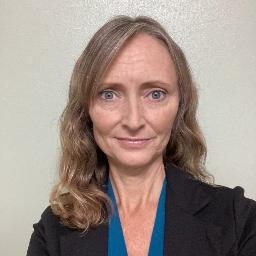
About Maggie
Maggie draws on cognitive behavioral ideas to help clients notice patterns of thinking and try different responses. She also uses client-centered listening so people feel heard as they make changes. Mindfulness practices and narrative techniques are woven in when they suit someone's goals.
Sessions focus on clear steps and small experiments people can try between meetings. That might mean tracking thoughts and moods, practicing brief mindfulness exercises, or testing new ways to handle conflict and communication. Motivational interviewing helps when making changes feels especially hard.
With nine years of clinical experience, Maggie has worked with people dealing with trauma, substance concerns, anger, and relationship stress. She aims to balance compassion with practical skills so clients leave sessions with something usable.
Maggie is licensed as an LPCC in Minnesota and conducts therapy in English. If you want to explore therapy that mixes problem-solving with supportive listening, she can help you figure out the next steps.
How therapy approaches translate to online work
Client-centered therapy focuses on listening and reflecting so people feel understood and can decide what change looks like for them. Online sessions can keep that same focus by letting clients talk through problems and priorities in a regular, scheduled way.Cognitive behavioral therapy (CBT) helps by breaking down how thoughts, feelings, and actions interact and testing small changes. In an online session this often means setting simple homework, tracking moods, and reviewing short experiments between meetings. Mindfulness therapy adds brief practices for attention and grounding that are easy to try between sessions when stress rises.
Finding the best approach is a shared process. The therapist will work with each person to see which methods fit their needs, goals, and preferences and adjust as progress is made. That collaborative stance helps tailor sessions so they feel useful and realistic.
Session formats are not specified in the biography, so confirm current options before booking. Online work can make it easier to schedule therapy around busy days, reduce travel time, and keep check-ins regular. It also allows therapists to assign practical between-session tasks and follow up on progress in ways that fit everyday life.
Areas of expertise
Primary focus
Also works with
Additional focus areas
Therapeutic approaches
Experience
9+ years
Credentials
Minnesota
Languages
English
Frequently asked questions
What concerns does Maggie focus on?
She works with stress, anxiety, depression, bipolar symptoms, addictions, relationship and family issues, trauma and grief, and related concerns such as sleep, eating, and caregiving stress.
What is her general approach in sessions?
Her style blends client-centered listening with cognitive behavioral techniques, mindfulness, motivational interviewing, and narrative work to create practical steps and small experiments between sessions.
How much clinical experience does she have?
She has nine years of experience working with people facing anxiety, mood concerns, substance issues, trauma, and anger management challenges.
Where is Maggie licensed and based?
She holds the Minnesota LPCC credential and practices in Minnesota.
In which languages can I work with her?
Sessions are offered in English.
Can international clients work with her?
She does not accept international clients at this time.
How does payment and cost work?
Cost varies with location and therapist availability; sessions use a subscription model that can be canceled at any time.
What are the steps to begin therapy?
Click the continue button on this profile, fill out a short matching questionnaire, and schedule a time based on the therapist's availability.