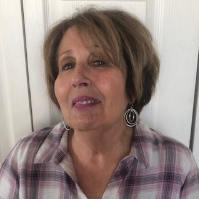
About Linda
She uses a mix of methods to match each person's needs. Sessions often include learning simple skills for managing strong feelings, practicing new ways of thinking, and building routines that support recovery and balance. Mindfulness exercises and behavioral strategies are common tools in her work.
Linda draws on many years of practice with adults and adolescents. She has provided both individual and group therapy across concerns like relapse prevention, anger management, and life management skills. That background shapes an approach that pays attention to strengths and to real-life demands such as work, family, and health changes.
In therapy she aims to form a strong working relationship first. She focuses on helping people notice what already helps them cope, and then expanding those skills. Sessions also attend to the whole person, including emotional, physical, and spiritual needs when clients want that.
People who choose her can expect straightforward feedback, skill-building, and a calm, nonjudgmental space to try new choices. Linda invites clients to set practical goals and to move at a pace that feels manageable.
Approaches you can use in online sessions
Acceptance and Commitment Therapy, or ACT, focuses on clarifying values and taking small committed actions that matter to the client. It helps people who feel stuck by shifting attention from avoiding feelings to building a meaningful life.Cognitive Behavioral Therapy, or CBT, teaches practical skills to change unhelpful thinking and behaviors. It is useful for anxiety, depression, and managing everyday stress by learning new patterns and testing them in real life.
Dialectical Behavior Therapy, or DBT, offers concrete tools for handling intense emotions and improving communication. It emphasizes skills like distress tolerance, emotion regulation, and interpersonal effectiveness.
Finding the right approach is part of the work. The therapist will collaborate with each person to pick methods that match their goals, needs, and preferences. That may mean combining parts of ACT, CBT, or DBT to fit what the client is trying to change.
Confirm the current session options before booking. Online work can make it easier to fit therapy into a busy schedule and to continue skill practice between meetings. Some clients find shorter check-ins work well on a busy day, and others prefer longer sessions to practice new skills. Discussing practical needs together helps shape a plan that fits daily life.
Areas of expertise
Primary focus
Also works with
Additional focus areas
Therapeutic approaches
Experience
25+ years
Credentials
Arizona
Languages
English
Frequently asked questions
What kinds of problems does she help with?
She works with people facing stress, anxiety, depression, addictions, relationship and intimacy issues, grief, and life changes. Additional focuses include communication problems, codependency, and coping after trauma.
What is her therapeutic style like?
Her style is pragmatic and skill-focused with emphasis on strengths. Sessions often teach emotion regulation, thought skills, and practical routines to improve daily life.
How much experience does she have?
She has 25 years of clinical experience working in Arizona, including individual and group therapy settings.
What credentials and region does she practice in?
She is a Licensed Professional Counselor with an Arizona LPC credential and practices in Arizona.
Which languages are supported?
Sessions are offered in English.
Can international clients work with her?
She does not accept international clients at this time.
How are fees and payments handled?
Cost varies with location and therapist availability; sessions use a subscription that can be canceled at any time.
How do I begin working with her?
Click the continue button on this profile, complete a short matching questionnaire, and schedule according to therapist availability.