- Encouraging listener
- Practical tools
- Goal focused
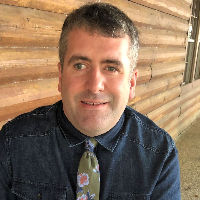
About Lannie
His style is down-to-earth and goal oriented. He listens first, then helps identify what isn’t working and what might help next. Sessions often blend techniques to match a person’s needs rather than following a single formula. He emphasizes small, doable steps people can try between meetings.
Before becoming a counselor, he spent 15 years in corporate communications and public relations. He holds a master’s degree in Clinical Mental Health Counseling from West Texas A&M University and carries the LPC credential. That mix of clinical training and workplace experience shapes a practical approach to life and career concerns.
He mentions family life as part of his perspective; he is a husband and father. He also shares a light touch about his Seeing Eye dog, Abbott, who sometimes provides a laugh. His aim is to help clients uncover their own solutions while offering steady support and encouragement.
If someone wants to move forward, he works to clarify goals and offers tools people can test in everyday life. The work is collaborative and focused on finding what helps in real time.
Approaches that guide online work
CBT, or Cognitive Behavioral Therapy, focuses on spotting unhelpful thoughts and testing new ways of thinking and behaving. It is often used for anxiety, depression, and habits that get in the way of daily life. DBT, or Dialectical Behavior Therapy, teaches skills for regulating strong emotions, tolerating distress, and improving how people relate to others. It can help with anger, impulsivity, and emotion-driven behaviors. Emotionally-Focused Therapy centers on understanding emotions in relationships and creating stronger, clearer bonds; it can be helpful for people dealing with relationship and intimacy concerns.Finding the best approach is a shared process. The therapist will talk with the client about goals, try a few methods, and adjust based on what feels useful. That collaboration helps shape a plan that fits the client’s needs and preferences rather than imposing a single method.
The biography does not specify which online session formats are offered, so confirm current session options before booking. Online work can make it easier to fit therapy into a busy life, reduce travel time, and allow shorter check-ins when schedule windows are tight. It can also let people practice skills between meetings in their everyday routines. Licensed professionals can adapt CBT, DBT, and EFT techniques to work over distance while focusing on concrete tools and steps to try between sessions.
Areas of expertise
Primary focus
Also works with
Additional focus areas
Therapeutic approaches
Experience
3+ years
Credentials
Texas
Languages
English
Frequently asked questions
What concerns does Lannie help with?
He supports people facing stress, anxiety, depression, addictions, relationship and parenting challenges, grief, intimacy issues, ADHD, and related concerns such as communication problems and infidelity.
What is his therapeutic style like?
He uses a practical, down-to-earth style that emphasizes listening and encouragement. Sessions focus on identifying what isn’t working and testing small, doable changes.
What background does he bring to therapy?
He has three years of counseling experience plus a 15-year corporate communications background, which informs a practical approach to personal and work-related issues.
What credentials and where is he licensed?
He is a licensed professional counselor with the credential LPC and practices in Texas.
Which languages are sessions offered in?
Sessions are offered in English and he accepts international clients.
What session formats are available?
The original biography does not list specific session formats, so confirm current session options before booking to be sure they match your needs.
How is cost handled for sessions?
Cost varies with location and therapist availability; sessions use a subscription that can be canceled at any time.
How do I begin working with him?
Select the continue button on this profile, complete a short matching questionnaire, and schedule according to therapist availability.