- Focus on relationships
- Skill-based work
- Direct collaborative style
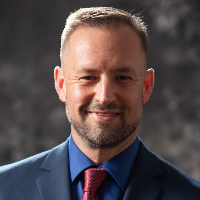
About Kevin
He prefers a direct, collaborative style. He helps clients calm body and mind so they can think more clearly and make better decisions. He also looks at how past relationships shape present patterns and helps people try different ways of relating that feel safer and more effective.
Kevin draws on a mix of approaches to fit the person in the room. He uses attachment-based ideas to understand hurt around closeness and loss. He uses cognitive behavioral tools to shift unhelpful thoughts and behavior patterns. He also brings emotion-focused and dialectical strategies when feelings or conflict feel overwhelming.
Across a long career he has worked in community and clinical settings and has supported military-related counseling worldwide. His training includes a Doctorate in Counseling (D. Min) and a Master of Arts in Counseling Psychology, and he points to decades of hands-on experience guiding people through life changes.
Sessions center on clear goals and skill building. Kevin helps people spot self-sabotaging beliefs and replace them with more realistic thoughts. He coaches behavioral steps that can reduce conflict, ease anger, and restore a sense of control and wellbeing.
How Kevin’s Approaches Translate to Online Work
Attachment-based work focuses on patterns in close relationships and aims to help people feel understood and connected; it can help with jealousy, abandonment fears, and trust issues by looking at past relationship influences. Cognitive behavioral therapy (CBT) teaches practical tools to change unhelpful thoughts and behaviors, which can reduce anxiety, improve mood, and change reactive patterns in relationships. Emotionally-focused ideas help people name and shift strong feelings so interactions feel less reactive and more repairable.Finding the right approach is part of the work. Kevin will collaborate with each person to choose methods that match their goals, preferences, and what feels workable in daily life. He adjusts strategies over time based on what helps most.
Specific session formats are not listed here, so please confirm current options before booking. Many people find online sessions useful because they make it easier to fit therapy into a busy week, allow for shorter or more regular check-ins, or remove travel time. Online work also lets the therapist and client focus quickly on skills practice, emotion regulation, and communication exercises that can be used between sessions.
Areas of expertise
Primary focus
Also works with
Additional focus areas
Therapeutic approaches
Experience
32+ years
Credentials
Georgia, Oregon, Idaho, Utah
Languages
English
Frequently asked questions
What kinds of concerns does Kevin help with?
He works with stress, anxiety, relationship and self-esteem issues, depression, parenting challenges, anger, trauma and abuse, and related concerns such as attachment and abandonment.
What is his therapeutic style like?
His approach is collaborative and direct, combining listening with practical skill teaching to calm the body and change unhelpful thoughts and behaviors.
How much experience does he have?
He brings 32 years of professional experience, including clinical counseling roles and overseas support of military-related counseling efforts.
What are his credentials and where is he based?
He holds LCPC and LPC credentials and practices out of Oregon.
Can people who speak other languages work with him?
Sessions are offered in English.
Are online or remote session options available?
Session formats are not specified here; please confirm current session options before booking.
How are fees and payment handled?
Cost varies by location and therapist availability, and sessions use a subscription that can be canceled at any time.
How do I begin if I want to work together?
Use the continue button on this profile, complete a short matching questionnaire, and schedule according to the therapist's availability.