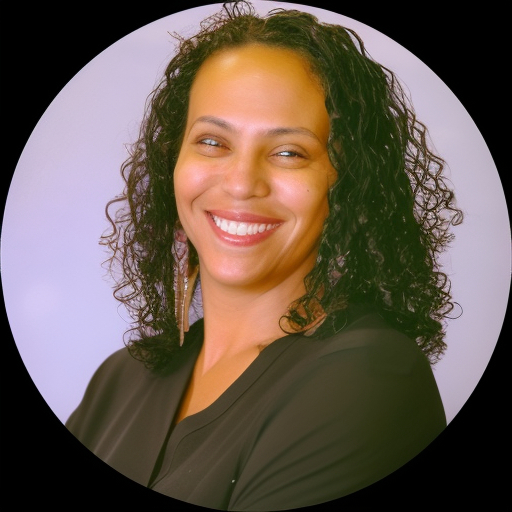
- Client-centered approach
- Skills-based work
- Warm and interactive
About Jennifer
She uses a client-centered approach that treats each person as the expert on their life. Sessions emphasize strengths and practical problem solving to meet goals that matter to the individual. Jennifer draws on Cognitive Behavioral Therapy (CBT) to help people spot links among thoughts, feelings, and actions and to reduce patterns that cause harm.
Dialectical Behavior Therapy (DBT) is part of her toolbox for teaching skills in mindfulness, distress tolerance, emotion regulation, and interpersonal effectiveness. These skills are aimed at improving day-to-day coping and helping people move toward greater emotional balance and joy.
Jennifer also integrates Attachment-Based Therapy and Acceptance and Commitment Therapy (ACT) when those lenses fit a person’s needs. She often combines approaches to create a personalized plan that addresses concerns like abandonment, body image, caregiving stress, chronic illness, and commitment or intimacy issues.
Her practice centers on collaboration. Jennifer works with each person to identify what matters, set realistic steps, and adjust the plan as progress is made. To begin, visitors complete a short matching questionnaire and schedule according to therapist availability.
How therapeutic approaches guide online work
Jennifer often uses Cognitive Behavioral Therapy (CBT) to help people recognize and change thought patterns that lead to unhelpful behaviors. CBT is practical and focuses on small, concrete steps to reduce anxiety, depression, and stress.She also uses Dialectical Behavior Therapy (DBT) to teach skills in mindfulness, distress tolerance, emotion regulation, and interpersonal effectiveness. DBT is useful for building day-to-day coping skills and improving relationships and emotional balance.
Choosing the right approach is a collaborative process. The therapist will talk with the person about goals, preferences, and what has worked or not worked in the past. Together they decide which methods to try and adjust the plan as progress is made.
If you are considering online therapy, confirm the session options before booking so you know what formats are available. Many people find that online sessions make it easier to fit therapy into a busy life, for example by saving travel time, allowing shorter check-ins during a break, or avoiding the need to be on camera when that helps. Licensed professionals can adapt CBT and DBT tools to work in remote sessions and focus on practical strategies that transfer into everyday routines.
Areas of expertise
Primary focus
Also works with
Additional focus areas
Therapeutic approaches
Experience
25+ years
Credentials
New Jersey
Languages
English
Frequently asked questions
What kinds of concerns does this therapist address?
Areas include stress, anxiety, addictions, trauma and abuse, grief, depression, relationship and intimacy-related issues, parenting, ADHD, bipolar concerns, and coping with life changes.
What is the therapy style like?
The style is interactive, empathetic, and warm, with a focus on listening and treating people with dignity and respect.
How many years of experience does the therapist have?
The therapist has 25 years of experience in the counseling field.
What credentials and location are listed?
Licensed Professional Counselor, NJ LPC, practicing in New Jersey.
In which languages are sessions offered?
Sessions are offered in English.
Are international clients accepted?
International clients are not currently accepted.
How are costs and billing handled?
Cost varies with location and therapist availability; sessions use a subscription that can be canceled at any time.
How do I get started with this therapist?
Select the continue button on this profile, complete a short matching questionnaire, and schedule according to therapist availability.