- Focus on relationships
- Practical coping skills
- Integrates spirituality
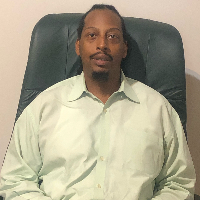
About James
He draws on more than a decade of clinical work and broad community leadership in Georgia. James combines talk therapy with mindfulness, meditation, and behavioral tools to address problems like addiction, anger, depression, and grief. He often explores how past family experiences connect to present difficulties.
In sessions he uses approaches such as Acceptance and Commitment Therapy, Cognitive Behavioral Therapy, Dialectical Behavior Therapy, Client-Centered Therapy, and hypnotherapy when appropriate. These methods are mixed to match what a person needs rather than following a single technique.
James also brings experience running supportive housing and substance programs and serving in pastoral counseling roles. That background informs a practical, systems-aware perspective when helping people manage emotions, commitment concerns, or blended-family challenges.
Working with him means collaborating on clear goals and learning concrete skills. He emphasizes real-world changes - better communication, healthier boundaries, and coping tools - to help people move past jealousy, control issues, or feelings of emptiness.
Therapeutic approaches and how they fit online
Acceptance and Commitment Therapy (ACT) focuses on noticing thoughts and values, then taking small committed steps toward a meaningful life. It is useful for anxiety, avoidance, and relationship struggles. Cognitive Behavioral Therapy (CBT) looks at how thoughts and behaviors keep problems going and teaches practical exercises to change unhelpful patterns. This approach helps with depression, anxiety, and coping skills. Dialectical Behavior Therapy (DBT) offers concrete skills for managing strong emotions and improving communication in tense relationships.Finding the right approach is collaborative. The therapist will talk with each person about goals, preferences, and what has or hasn’t worked in the past. Together they decide which methods to try and adjust the plan as progress is made.
Confirm current session options before booking so you know what online formats are available. Online work can make scheduling easier and help sessions fit into busy days. It can also allow shorter check-ins when time is limited, reduce travel, and let people connect from different locations. Licensed professionals use these formats to deliver the same therapeutic techniques you would expect in person, adapted to the way you prefer to meet.
Areas of expertise
Primary focus
Also works with
Additional focus areas
Therapeutic approaches
Experience
11+ years
Credentials
Georgia
Languages
English
Frequently asked questions
What kinds of concerns does he address?
He helps with stress, anxiety, depression, trauma and abuse, addictions, relationship and family problems, grief, self-esteem, career issues, bipolar concerns, and coping with life changes.
How would you describe his therapeutic style?
His style blends talk therapy with mindfulness and behavioral exercises. He adapts techniques from several approaches to fit each person's needs.
What background does he bring to therapy?
He has 11 years of clinical experience and extensive leadership work in supportive housing and substance programs, plus pastoral counseling experience.
What credentials and location should I know about?
He holds the credentials LCSW and CSW and practices in Georgia.
Which languages are supported for sessions?
Sessions are offered in English.
What session formats are offered?
Please confirm current session formats before booking so you know whether remote or in-person options are available.
How are fees and payments handled?
Cost varies by location and therapist availability; sessions use a subscription that can be canceled at any time.
How do I begin working with him?
Select the continue button on this profile, complete a short matching questionnaire, and schedule according to the therapist's availability.