- Client-centered care
- CBT informed
- Goal focused
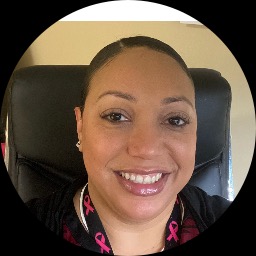
About Frantica
She creates a calm, nonjudgmental space where clients can talk openly about thoughts and feelings. In sessions she listens closely and helps clients name practical steps they can try between meetings. The goal is steady progress rather than quick fixes.
Frantica uses client-centered work to follow each person's priorities. She draws on cognitive behavioral techniques to spot unhelpful thought patterns and test new behaviors. Solution-focused ideas help set clear goals and track small wins.
Her background includes a range of concerns such as grief, compassion fatigue, addictions, ADHD, relationship strain, jealousy, infidelity, and workplace stress. She also has experience with aging and geriatric issues, hospice and end-of-life counseling, veteran and armed forces issues, multicultural concerns, women’s issues, and young adult matters.
Sessions concentrate on what matters most to the client and on building practical coping skills. Frantica emphasizes respect, gentle challenge, and collaboration so clients can move toward clearer priorities and better daily functioning.
Approaches that guide online care and progress
Client-centered therapy focuses on the person sitting across from the therapist. The therapist follows the client's lead, listens closely, and helps people clarify what matters most to them. This approach is often helpful for building trust and naming priorities.Cognitive behavioral therapy, or CBT, looks at the links between thoughts, feelings, and actions. It helps people identify unhelpful thinking patterns and try small behavioral experiments to see what changes. CBT can be useful for anxiety, depression, and problems with motivation.
Solution-focused therapy zeroes in on goals and next steps. Rather than spending most time on the past, it asks what a small, realistic improvement would look like and how to get there. This can help people make quick, manageable changes and track progress.
Finding the right approach is a collaborative process. The therapist will talk about options and tailor methods to the client's needs, goals, and preferences. Clients and the therapist revise the plan together as progress is made.
Confirm current session options before booking so you know what formats are offered. Online work can make it easier to fit therapy into a busy life, support shorter check-ins during a lunch break, or reduce travel time. Talk with the therapist about what will fit best with daily routines and technical resources available to you.
Areas of expertise
Primary focus
Also works with
Additional focus areas
Therapeutic approaches
Experience
7+ years
Credentials
North Carolina, New York
Languages
English
Frequently asked questions
What concerns does she address?
She helps people with depression, anxiety, stress, anger, and addictions. Additional focus areas include grief, self-esteem, ADHD, relationship strain, jealousy, and workplace issues.
What is her therapy style like?
Her style is warm and straightforward. She listens without judgment and helps clients set practical steps to try between sessions.
How much clinical experience does she have?
She has seven years of professional experience working in clinical settings. That time includes work with people dealing with loss of motivation and compassion fatigue.
What credentials does she hold and where is she based?
She is a Licensed Clinical Social Worker, LCSW, licensed in New York and North Carolina, and practices from New York.
What languages are supported?
Sessions are offered in English.
Can people outside the U.S. work with her?
She does not accept international clients at this time.
How are fees handled?
Cost varies by location and therapist availability. Sessions use a subscription model that can be canceled at any time.
How do I begin working with her?
Start by selecting the continue button on this profile and completing the short matching questionnaire. Then schedule sessions according to therapist availability.