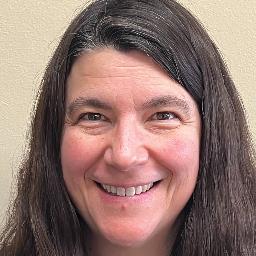
- Client-centered approach
- Attachment-informed
- Trauma-aware
About Erica
Erica uses a client-centered style that focuses on building rapport first. She draws on attachment-based ideas to understand how early relationships affect present patterns. Trauma-focused methods guide work with painful or overwhelming experiences. Sessions are designed to be practical and tailored to each person’s needs.
In the room she emphasizes strengths and real-world skills. Conversations explore what’s happening now and what can change next. She helps people name feelings, test new behaviors, and plan small steps toward better coping and clearer communication.
Erica trained in social work at the University of Montana and earned a Master of Social Work from Walla Walla College. She has worked in clinical settings since 2004 and moved into independent practice as an LCSW in 2013. That background informs a steady, experienced approach to common and complex concerns.
People looking for help with jealousy, communication problems, family of origin issues, chronic illness, or life purpose often choose her because of the practical focus. To start, clients complete a short questionnaire and schedule a first appointment based on availability.
How Erica’s approaches translate to online work
Attachment-Based Therapy looks at how past relationships shape current patterns. It helps people understand trust, closeness, and jealousy by tracing how earlier bonds influence present reactions. Client-Centered Therapy centers on the person in front of the therapist, offering a nonjudgmental space and helping people find their own answers to hard problems. Trauma-Focused Therapy concentrates on processing and managing the effects of distressing events so symptoms interfere less with daily life.Finding the right approach is part of the work. The therapist will collaborate with each person to decide which methods fit their goals and preferences. That plan can change as needs evolve, with regular check-ins to see what helps most.
Session options are not listed in the biography, so confirm current online formats before booking. Online sessions can make it easier to fit therapy into a busy life by removing travel time and allowing check-ins between other commitments. They can also offer flexible pacing - for example shorter check-ins when schedules are tight or longer sessions when deeper processing is needed. When choosing how to meet, the decision will focus on what supports steady progress and practical use of new skills.
Areas of expertise
Primary focus
Also works with
Additional focus areas
Therapeutic approaches
Experience
13+ years
Credentials
Montana
Languages
English
Frequently asked questions
What kinds of concerns does she address?
She works with stress, anxiety, depression, trauma and abuse, bipolar and mood disorders, addictions, relationship issues including jealousy, grief, parenting strain, and related concerns.
How would you describe her therapy style?
Her style is client-centered and strengths-based, with attention to attachment patterns. Sessions focus on practical steps, problem-solving, and building a working relationship first.
What is her clinical background?
She earned a Bachelor of Social Work from the University of Montana and a Master of Social Work from Walla Walla College, and has worked in clinical roles since 2004.
Where is she licensed and located?
She is licensed as an LCSW in Montana and practices from that region.
Which languages are supported?
Sessions are offered in English.
Can people from other countries work with her?
She does not accept international clients at this time.
How are fees and billing handled?
Cost varies with location and therapist availability; sessions use a subscription that can be canceled at any time.
How do I begin working with her?
Use the continue button on this profile, complete a short matching questionnaire, and schedule sessions based on the therapist's availability.