- Practical skills
- Values and meaning
- Direct support
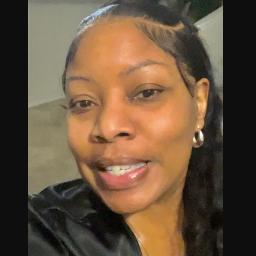
About Dora
She mainly uses cognitive behavioral approaches alongside client-centered methods and skill-based interventions. In sessions she focuses on building rapport quickly and shaping treatment to each person's needs. That can mean working on stress, anxiety, addiction, mood struggles, or relationship and intimacy concerns.
Her past work has included people with a wide range of presenting problems, from depression and bipolar mood swings to trauma, self-harm thoughts, and severe anxiety. She has experience helping people with grief, ADHD, body image, caregiver stress, and adjustment after major life changes.
Her style is practical and relational. She helps people learn skills, try new coping strategies, and reflect on values and meaning. She also uses mindfulness and Jungian ideas when they fit a person's goals.
Dr. Whiteside practices in Texas and conducts sessions in English. If someone wants to begin, the typical step is to complete a short matching questionnaire and schedule a time to meet that fits both parties.
Approaches that translate to online work
Client-Centered Therapy focuses on listening and building a real therapeutic relationship. It helps people feel heard, clarify goals, and make choices that match their values. Cognitive Behavioral Therapy (CBT) breaks problems into thoughts, behaviors, and feelings and then teaches practical techniques to change patterns that cause distress. CBT is often used for anxiety, depression, and stress-related issues. Mindfulness Therapy helps people notice thoughts and feelings without getting swept away by them and can support emotion regulation and coping skills.Finding the right approach is a collaborative process. The therapist will work with each person to see which methods fit their needs, goals, and preferences. That might mean mixing skill practice, reflective conversation, and short exercises between sessions so the plan stays relevant and doable.
Confirm the current online session options before booking, as specific formats are not listed here. Online therapy can make it easier to fit sessions into a busy life, reduce travel time, and allow for shorter check-ins when needed. Licensed professionals can use these methods effectively over distance, adapting exercises and homework to a person's daily routine so work done in sessions connects to real life.
Areas of expertise
Primary focus
Also works with
Additional focus areas
Therapeutic approaches
Experience
17+ years
Credentials
Texas
Languages
English
Frequently asked questions
What kinds of concerns can Dr. Whiteside help with?
She works with a broad range of issues including stress, anxiety, addictions, depression, bipolar mood concerns, trauma, grief, intimacy-related problems, ADHD, and related areas such as body image and caregiver stress.
What is her general therapy style and approach?
Her approach is relational and practical. She emphasizes building rapport, teaching coping skills, and using cognitive behavioral and client-centered methods alongside mindfulness and Jungian ideas when useful.
How much clinical experience does she have?
She has 17 years of experience working in various settings with people who present a wide range of concerns.
What are her credentials and where does she practice?
She is an LPC, Licensed Professional Counselor, and practices in Texas.
Which languages are supported for sessions?
Sessions are offered in English.
Are international clients accepted?
She does not accept international clients at this time.
How does billing and cost work?
Cost varies with location and therapist availability; sessions use a subscription that can be canceled at any time.
How do I begin therapy with her?
Start by selecting the continue button on this profile, complete a short matching questionnaire, and schedule sessions according to the therapist's availability.