- CBT based
- Practical skills
- Relationship support
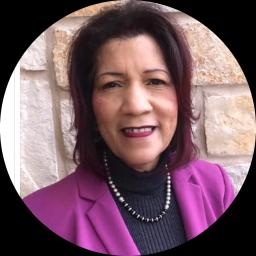
About Dianne
She primarily uses Cognitive Behavioral Therapy, which looks at how thoughts, feelings, and actions interact. Dianne also draws on client-centered ideas to keep sessions focused on each person’s needs. Other methods she uses include Dialectical Behavior Therapy, Emotionally-Focused Therapy, and elements of the Gottman Method when relationship patterns are part of the concern.
With five years of clinical experience, she brings a straightforward, educational style to sessions. She explains tools clearly and practices hands-on problem solving. Many of her clients work on coping with grief, trauma, parenting strain, addiction concerns, or intimacy-related issues.
Dianne’s background includes a master’s degree in Clinical Mental Health and training that supports evidence-based counseling tools. She has worked with adults across stages of life and focuses on teaching practical skills that transfer to daily routines. Her work covers topics like self-esteem, ADHD, compassion fatigue, and blended family challenges.
People considering therapy are encouraged to think about specific goals before a first meeting. Dianne helps identify small, achievable steps and tracks progress over time.
How these approaches shape online work
Client-Centered Therapy focuses on listening and tailoring the work to each person’s needs, which helps build a plan that feels personally useful. Cognitive Behavioral Therapy (CBT) breaks problems into thoughts, feelings, and actions, and teaches concrete skills people can try between sessions. Dialectical Behavior Therapy (DBT) brings practical coping skills for emotional regulation and distress tolerance when feelings become overwhelming.Choosing the right approach is part of the process. The therapist will collaborate with each person to identify goals and try strategies that fit their life and preferences. That means adjusting methods over time based on what helps most, rather than sticking to a single technique.
The original biography does not list specific online session formats, so confirm available options before booking. Online therapy can make it easier to fit sessions into a busy schedule, reduce travel time, and allow shorter check-ins when needed. It also lets people use skills learned in session in real time, such as trying a coping strategy between meetings and reviewing how it went at the next appointment. Licensed professionals will work with clients to find a rhythm and format that fits everyday life.
Areas of expertise
Primary focus
Also works with
Additional focus areas
Therapeutic approaches
Experience
5+ years
Credentials
Texas
Languages
English
Frequently asked questions
What concerns does she address?
The practice focuses on stress, anxiety, relationship strain, anger, depression, and coping with life changes. Additional areas include grief, trauma and abuse, intimacy issues, parenting strain, addictions, self-esteem, ADHD, and related concerns.
How would you describe the therapy style?
Sessions emphasize practical tools and clear explanations. Cognitive Behavioral Therapy is a primary approach, paired with client-centered support and skills from DBT, EFT, and Gottman-informed ideas when relevant.
What is her clinical experience?
She has five years of professional experience working with adults across stages of life. That experience includes helping people navigate relationship challenges, grief, and major life transitions.
What credentials and location are listed?
She holds the LPC credential (Licensed Professional Counselor) and practices in Texas.
Which languages are supported and are international clients seen?
Sessions are offered in English. International clients are not currently accepted.
What session formats are available?
The biography does not specify session formats. Please confirm current session options with the service before scheduling.
How are costs handled?
Cost varies with location and therapist availability; sessions use a subscription that can be canceled at any time.
How do I begin working with her?
Select the continue button on this profile, complete a short matching questionnaire, and schedule sessions based on therapist availability.