- Warm and interactive
- Practical coping skills
- Relationship concerns
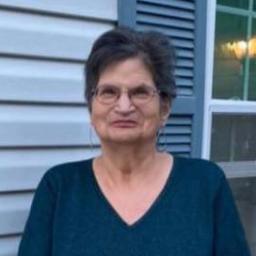
About Darlene
She keeps sessions warm and interactive. Darlene listens first, then helps people decide what to try next. Conversations are practical and focused on small steps that can make daily life easier.
Her approach blends several evidence-informed methods, including cognitive behavioral tools, acceptance-based skills, and client-centered listening. She adapts what she offers to fit each person’s needs rather than using a single fixed protocol.
People often come for help with coping skills, clearer communication, managing mood swings, or working through grief. She also addresses concerns such as addiction, career stress, sleep and eating problems, and compassion fatigue. Jealousy is one of the relationship-related issues she lists among her focus areas.
Darlene aims to create a respectful space where people can explore change at their own pace. She supports practical goal-setting and teaches techniques people can use between sessions. When someone is ready to move forward, she helps them map out steps and track progress.
Therapeutic approaches that translate to online work
Acceptance and Commitment Therapy (ACT) focuses on identifying values and taking committed steps toward them while learning to accept difficult feelings. It can help with anxiety, depression, and life changes by making actions more meaningful. Cognitive Behavioral Therapy (CBT) breaks problems into thoughts, feelings, and actions and teaches practical skills to change unhelpful patterns; it often helps with anxiety, mood, and sleep problems. Client-Centered Therapy emphasizes empathetic listening and building a supportive relationship so people feel understood and can find their own solutions.Finding the right approach is part of the process. The therapist will work collaboratively to decide which methods fit a person’s goals and preferences. Together they set goals, try techniques, and adjust the plan based on what helps most.
The biography does not list specific session formats, so confirm the available online options before booking. Online therapy can make it easier to fit sessions into a busy life - for example, shorter check-ins can work around a lunch break, or video sessions let people use visual cues during conversations. It can also reduce travel time and help maintain momentum between appointments. Licensed professionals adapt tools such as ACT and CBT to remote sessions so clients can practice skills and track progress in everyday settings.
Areas of expertise
Primary focus
Also works with
Additional focus areas
Therapeutic approaches
Experience
30+ years
Credentials
New Jersey
Languages
English
Frequently asked questions
What kinds of problems does she help with?
She works with stress, anxiety, depression, relationship and intimacy issues, trauma and abuse, addiction, ADHD, and related concerns such as grief and parenting strain.
What is her therapy style like?
Her style is described as warm and interactive, focusing on listening, respectful conversation, and practical steps clients can try between sessions.
How much experience does the therapist have?
She has 30 years of experience as a counselor working with a wide range of concerns and populations.
What credentials and location are listed?
She is a Licensed Professional Counselor (LPC) licensed in New Jersey and practices from that state.
Which languages are supported and can international clients join?
Sessions are offered in English, and international clients are not currently accepted.
What session formats are available?
The original biography does not specify session formats, so confirm current session options with the service before booking.
How does payment and cost work?
Cost varies with location and therapist availability; sessions use a subscription that can be canceled at any time.
How do I begin working with this therapist?
Use the continue button on this profile, complete a short matching questionnaire, and schedule according to the therapist's availability.