- Client-centered care
- Goal-focused strategies
- Mindfulness tools
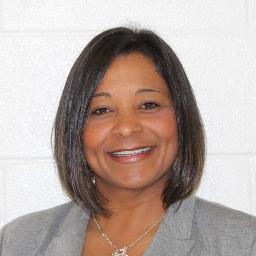
About Danelle
She draws on a client-centered way of working that looks at each person’s strengths and goals. That means sessions focus on what the person wants to do and how to get there. Cognitive Behavioral Therapy tools are used when helpful to identify unhelpful thinking and try new behaviors.
Her background includes five years of clinical practice as an LCSW in North Carolina. Earlier work in schools and in substance use services shaped her practical approach to stress, grief, trauma, and family concerns. She pairs hands-on experience with goal-focused methods to help people move forward.
In sessions she listens for what matters most and then develops small, doable steps clients can try between meetings. Mindfulness practices and motivational interviewing techniques are used to build momentum and support change. She adapts strategies to fit each person’s life and priorities.
Clients can expect a direct, empathetic style and a focus on solutions that fit everyday life. The aim is to reduce barriers that get in the way of progress and to help people reclaim a sense of control over their choices and routines.
How her approaches translate to online work
Client-Centered Therapy focuses on the person's own goals and strengths and uses listening and reflection to help clarify what matters. It helps when someone needs steady support and practical planning. Cognitive Behavioral Therapy (CBT) looks at patterns of thought and behavior and offers simple exercises to change how someone responds to stress and relationship problems. Mindfulness Therapy teaches brief attention and breathing practices that reduce reactivity and improve focus during daily life.Finding the right approach is part of the process. The therapist will work collaboratively to choose methods that match a person’s goals and preferences. Expect to discuss what techniques feel useful and to adjust the plan as progress is made.
Session formats are not specified in the biography, so confirm the current options before booking. Online therapy can make it easier to fit sessions into a busy week, reduce travel time, and let people use shorter check-ins when needed. It also supports trying CBT exercises, mindfulness practices, and motivational conversations between meetings so progress can continue outside session time.
Areas of expertise
Primary focus
Also works with
Additional focus areas
Therapeutic approaches
Experience
5+ years
Credentials
North Carolina
Languages
English
Frequently asked questions
What concerns does this therapist address?
The therapist works with a wide range of problems including stress, anxiety, addictions, depression, trauma, relationship issues, grief, intimacy concerns, eating and sleeping problems, anger, self-esteem, and jealousy.
What is the general therapy style and approach?
The approach is client-centered and practical, using Cognitive Behavioral Therapy, mindfulness techniques, motivational interviewing, and solution-focused methods as fit for each person.
How much clinical experience does the therapist have?
The clinician has five years of clinical experience as an LCSW, alongside prior work in school social work and substance use services that inform current practice.
What credentials and region are listed?
Credentials shown are LCSW and practice is based in North Carolina.
Are sessions offered in other languages or internationally?
Sessions are offered in English and international clients are not currently accepted.
Which session formats are available?
Please confirm current session options before booking, as the therapist's biography does not specify which formats are offered.
How is cost handled for therapy?
Cost varies with location and therapist availability; sessions use a subscription that can be canceled at any time.
How do I begin working with this therapist?
Select the continue button on this profile, complete a short matching questionnaire, and schedule according to the therapist's availability.