- Solution-focused
- Goal oriented
- Collaborative
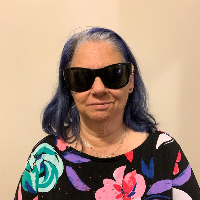
About Cheryl
Her work centers on spotting patterns that get in the way of daily life and helping people experiment with new ways of coping. She supports people facing stress, anxiety, depression, addiction, grief, and relationship or intimacy-related issues. Cheryl also helps with career questions, ADHD, sleep problems, and compassion fatigue.
Cheryl uses methods that prioritize the client’s goals, including client-centered and narrative approaches, mindfulness practices, and motivational interviewing. She often blends techniques to fit the person in front of her rather than following a single script. Sessions move at a practical pace and focus on clear, usable next steps.
Cheryl has experience with LGBTQ communities and non-monogamous relationship dynamics, and she has worked on inclusion and diversity efforts in New York State. She also brings vocational counseling experience and familiarity with the Americans with Disabilities Act to support job-related concerns and disability-related needs.
If someone wants to begin, the process starts online with a short matching questionnaire and scheduling. The therapist notes that many clients use a mix of messaging plus weekly live sessions, and messages are typically answered within 24 hours. Prospective clients should confirm current session options before booking.
How Cheryl’s Approaches Work Online
Client-Centered Therapy puts the person’s experience at the center of each session. The therapist listens closely and follows the client’s lead to clarify goals and priorities, which helps with self-esteem, life transitions, and relationship concerns.Narrative Therapy focuses on the stories people tell about themselves. Cheryl helps people identify unhelpful narratives and try new ways of describing their experiences, which can reduce shame and open space for change.
Mindfulness Therapy teaches simple attention skills to reduce reactivity and manage strong emotions. These practices can be useful for anxiety, stress, sleep problems, and coping with ongoing pain or illness.
Choosing the right approach is part of the work. Cheryl will collaborate with each person to figure out which methods fit their goals and preferences. That decision is revisited as progress is made so the plan can be adjusted together.
Session logistics should be confirmed before booking. The biography notes many clients combine message-based communication with weekly live sessions by video or phone, and that she responds to messages within 24 hours. If you need therapy that fits around work, caregiving, or travel, online options can make scheduling easier and reduce time spent commuting. Confirm current session formats with the therapist when you match so the plan fits your daily life.
Areas of expertise
Primary focus
Also works with
Additional focus areas
Therapeutic approaches
Experience
25+ years
Credentials
New York
Languages
English
Frequently asked questions
What concerns does Cheryl help with?
She works with stress, anxiety, depression, grief, addictions, relationship and intimacy issues, sleep problems, ADHD, career concerns, and related life changes.
What is her therapy style like?
She uses a solution-focused, practical style that aims for clear next steps. Sessions tend to mix listening with problem-solving and skill practice.
How much clinical experience does she have?
She has 25 years of experience working with many concerns and populations, including LGBTQ people and those navigating non-monogamous relationships.
Where is she based and how is she licensed?
She is located in New York and holds the NY Licensed Mental Health Counselor credential, listed as LMHC.
Which languages are sessions offered in?
Sessions are offered in English.
Do you accept clients outside the United States?
International clients are not currently accepted.
How are sessions paid for?
Cost varies with location and therapist availability; sessions use a subscription that can be canceled at any time.
How do I begin working with her?
Use the continue button on this profile, complete a short matching questionnaire, and then schedule according to therapist availability.