- Client-centered care
- Skills focused
- Affirming approach
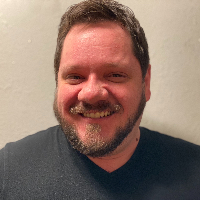
About Brandon
Brandon keeps sessions straightforward and focused. He listens first, then helps clients name patterns that get in the way. He uses clear tools and exercises people can try between sessions. The aim is practical change, clearer communication, and better coping day to day.
His approach blends Acceptance and Commitment Therapy, Cognitive Behavioral Therapy, and Emotionally-Focused Therapy with attachment-informed listening and a client-centered stance. That mix helps with emotional regulation, renewed connection, and working through painful memories. Brandon also addresses specific concerns like abandonment, codependency, and issues tied to kink and alternative sex culture.
Clients can expect collaborative goal-setting and skills practice. Brandon emphasizes building self-compassion, improving communication, and making manageable steps toward what matters most. He frames progress as steady work rather than quick fixes.
Brandon practices in Utah and conducts sessions in English. To begin, people are asked to complete a short matching questionnaire and schedule according to the therapist's availability.
How therapeutic approaches translate to online work
Acceptance and Commitment Therapy (ACT) helps people notice thoughts and feelings without getting stuck in them, then choose actions that align with personal values to build a meaningful life. Cognitive Behavioral Therapy (CBT) focuses on noticing unhelpful thinking and trying different behaviors to change mood and stress levels. Emotionally-Focused Therapy (EFT) centers on identifying core emotions and reshaping how people respond to one another to improve closeness and repair strain.Finding the right approach is part of the work. The therapist will talk with each person about goals and preferences, then try methods that fit. This is a collaborative process that can shift as needs change.
Confirm session formats before booking because the original information does not list specific options. Online therapy can make it easier to fit sessions into a busy life, like keeping appointments during a work break or avoiding travel time. It can also allow for shorter check-ins when that suits someone's schedule or for camera-free conversations when bandwidth or comfort is a concern. Licensed professionals will work with clients to arrange a routine that matches their day-to-day needs.
Areas of expertise
Primary focus
Also works with
Additional focus areas
Therapeutic approaches
Experience
11+ years
Credentials
Utah, Virginia
Languages
English
Frequently asked questions
What concerns does Brandon help with?
He supports people with stress, anxiety, depression, relationship and intimacy issues, trauma and abuse, addictions, parenting strain, and identity-related concerns including LGBT experiences and jealousy.
How would you describe his therapeutic style?
His style is client-centered and practical. He listens closely, sets collaborative goals, and offers tools to practice between sessions.
What is his background and experience?
He has 11 years of clinical experience working with diverse concerns across mental health, relationships, and life transitions.
Which credentials and location are listed?
He is credentialed as an LCMHC and an LPC and practices in Utah.
In which languages are sessions offered?
Sessions are offered in English.
What session formats are available?
Please confirm current session options before booking, as formats are not specified in the provided information.
How are costs handled?
Cost varies with location and therapist availability, and sessions use a subscription that can be canceled at any time.
How do I get started with therapy?
Use the continue button on this profile, complete a short matching questionnaire, and schedule sessions based on the therapist's availability.