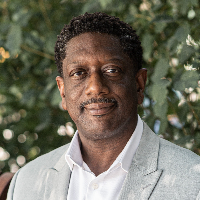
- 15 years experience
- Holistic wellbeing focus
- Works with trauma
About Barry
Before focusing on independent practice work he spent years in criminal justice settings working with people affected by incarceration and its aftereffects. That background shaped his interest in trauma, post-traumatic stress, and how social systems influence recovery. He has also worked with veterans, law enforcement, teachers, students, and people from urban, suburban, and rural communities.
Barry draws on several therapy methods in straightforward ways. He uses attachment-based ideas to look at how relationships shape behavior, cognitive behavioral tools to help change unhelpful thoughts and habits, and mindfulness practices to reduce reactivity. He also incorporates Jungian perspectives and emotionally-focused work depending on what a person needs.
He describes a holistic method that helps people track daily wellbeing and build self-regulation skills. Sessions often focus on realistic steps, such as improving sleep, managing anger, or setting boundaries. Spiritual topics may be included when a person wants to explore them.
Barry aims for a clear, down-to-earth style that helps people develop coping skills and practical plans. Prospective clients are encouraged to discuss goals and preferences so sessions match their needs.
How Barry’s approaches translate to online therapy
Barry uses attachment-based ideas and cognitive behavioral therapy in ways that fit video or phone conversations. Attachment-based work looks at how early relationship patterns show up now and helps people practice different ways of relating. That can mean talking through reactions and trying new behaviors between sessions. Cognitive behavioral therapy focuses on practical steps to change thoughts and actions, such as tracking triggers, testing beliefs, and building new routines for sleep or stress.Finding the right approach is a collaborative process. Barry will work with each person to choose methods that match their goals and comfort level, and he adjusts techniques as progress is made. Clients are invited to share preferences so sessions feel useful and manageable.
Confirm the current session options before booking since formats are not listed here. Online work can make it easier to fit therapy into a busy life by removing commute time, allowing shorter check-ins when needed, or offering sessions that avoid being on camera. These practical benefits help many people keep therapy consistent while they work on managing anxiety, improving relationships, or coping with life changes.
Areas of expertise
Primary focus
Also works with
Additional focus areas
Therapeutic approaches
Experience
15+ years
Credentials
New York
Languages
English
Frequently asked questions
What concerns does he help with?
He works with stress, anxiety, depression, trauma and related issues like addictions, grief, intimacy concerns, and self-esteem.
What is his general approach in sessions?
Sessions are practical and straightforward, using tools from attachment work, cognitive behavioral techniques, and mindfulness to address daily problems and patterns.
How much clinical experience does he have?
He has 15 years of direct counseling experience, including work in criminal justice settings and with veterans and first responders.
What are his credentials and where is he located?
He is a Licensed Mental Health Counselor (LMHC) licensed in New York and practices out of New York.
Which languages can sessions be offered in?
Sessions are offered in English.
Can he work with people outside the United States?
He does accept international clients; confirm logistics and scheduling during intake.
How does billing and cost work?
Cost varies with location and therapist availability; sessions use a subscription that can be canceled at any time.
How do I begin working with him?
Click the continue button on this profile, complete a short matching questionnaire, and schedule according to therapist availability.