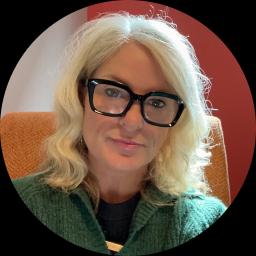
- 30 years experience
- Focus on anxiety
- Teens and college-aged
About Amy
She uses straightforward conversation to understand what feels most difficult right now. Sessions are practical and aim to build tools you can use between meetings. Amy is familiar with the special education process and evaluations, and she brings that background into conversations when it matters to a client.
Her approach is person-centered and flexible. She adapts the pace and plan to each person’s needs, drawing on techniques from cognitive behavioral therapy and mindfulness to address thinking patterns and daily habits. Dialectical behavior therapy skills are used when emotion regulation or distress tolerance is a focus.
Amy also works with issues tied to attachment, abandonment, adoption and foster care, autism and Asperger Syndrome, impulse control, and a range of personality and mood concerns. She emphasizes respect, sensitivity, and compassion in every session.
Starting therapy can feel hard, and Amy aims to make the process clear and manageable. She tailors conversations and plans to each person’s goals and readiness, helping them take practical steps forward.
How Amy Uses Talk, Skills, and Mindfulness Online
Amy draws on client-centered work to keep conversations focused on what matters to each person. This approach means the therapist listens carefully and follows the client's lead to set goals and priorities.She also uses cognitive behavioral therapy to help identify unhelpful thinking and change routines that feed anxiety or low mood. CBT skills often involve simple exercises and homework that can be practiced between sessions to build new habits.
Dialectical behavior therapy techniques are introduced when managing intense emotions or improving distress tolerance is needed. DBT skills teach clear steps for calming down, deciding, and communicating under stress.
Choosing the right approach is part of the process and Amy works collaboratively to find a good fit. She discusses goals, preferences, and what has or hasn't helped before, then adjusts methods as progress is made.
Confirm current session options before booking, since specific formats are set by the practice. Online therapy can make it easier to fit appointments into a busy week, allow shorter check-ins when needed, and reduce travel time. These practical benefits help people keep momentum while they build new skills.
Areas of expertise
Primary focus
Additional focus areas
Therapeutic approaches
Experience
30+ years
Credentials
Michigan
Languages
English
Frequently asked questions
What kinds of concerns does Amy work with?
She helps people with stress, anxiety, depression, self-esteem, relationship concerns, and coping with life changes. Additional areas include attachment, abandonment, adoption and foster care issues, body image, and impulse control.
How does she approach therapy?
Amy uses a person-centered style that adapts to each person's needs. She blends cognitive behavioral techniques, mindfulness, and emotion-focused skills to teach practical strategies for daily life.
What is her professional background?
She has 30 years of professional experience and has worked as a middle school social worker in addition to independent practice. That school experience informs work with younger clients.
What credentials does she hold and where does she practice?
She holds an LMSW, which stands for Licensed Master Social Worker, and practices in Michigan.
Are sessions available in other languages?
Sessions are offered in English.
Can international clients work with her?
She accepts international clients, so people outside the U.S. may be matched for sessions.
How are sessions scheduled and what does it cost?
Cost varies with location and therapist availability; sessions use a subscription that can be canceled at any time. Specific pricing is provided during the scheduling process.
What are the first steps to begin therapy?
Click the continue button on this profile, complete a short matching questionnaire, and then schedule according to the therapist's availability.