- Practical coping skills
- Focus on relationships
- Trauma-informed care
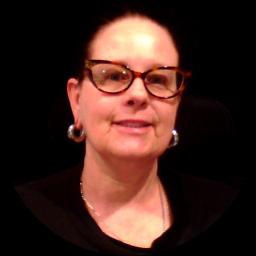
About Amy
Amy brings 13 years of clinical experience in California to her work and uses that background to offer steady, realistic support. She focuses on helping people build skills they can use day to day. Sessions tend to look at current problems, identify barriers, and try simple, concrete steps forward.
Her approach blends conversations that center the person's experience with hands-on methods for changing thoughts and behaviors. She uses client-centered methods to make space for each person’s perspective. Cognitive behavioral tools are used to notice patterns and take small steps toward change.
Amy also incorporates techniques from dialectical behavior therapy to teach emotional regulation and distress tolerance. For people with trauma history, she may include EMDR-informed strategies alongside motivational interviewing to strengthen commitment to change.
She draws on graduate training in behavioral science and marriage and family therapy to shape practical plans. Prospective clients can expect clear goals, regular check-ins, and a focus on workable solutions that fit their life circumstances.
How therapeutic approaches work in online care
Amy uses client-centered therapy to keep the conversation focused on the person’s immediate needs and priorities. This approach emphasizes listening and tailoring the pace and goals to what matters most to the client. It can help when someone needs a supportive space to sort through feelings and choices.Cognitive behavioral therapy (CBT) is used to identify unhelpful thought and behavior patterns and replace them with practical alternatives. CBT is useful for anxiety, depression, sleep difficulties, and many day-to-day struggles where changing routines and thinking can make a difference.
Dialectical behavior therapy (DBT) skills are offered for managing strong emotions and improving coping. These skills include techniques for emotional regulation, distress tolerance, and clearer communication when relationships feel strained.
Finding the right approach is a collaborative process. The therapist will work with each client to choose methods that fit their needs, goals, and comfort level. Sessions usually include regular check-ins to see what’s working and what should change.
Confirm available session formats before booking. When arranged online, therapy can fit into busy schedules, reduce travel time, and make it easier to keep appointments around work or caregiving demands. Ask about the session options offered at the time of booking to pick what best fits daily life.
Areas of expertise
Primary focus
Also works with
Additional focus areas
Therapeutic approaches
Experience
13+ years
Credentials
California
Languages
English
Frequently asked questions
What concerns does Amy commonly address?
Amy works with stress, anxiety, depression, addictions, trauma and abuse, relationship and intimacy issues, grief, sleep problems, parenting strain, ADHD, and coping with life changes.
How would you describe her therapeutic style?
Her style is down-to-earth and practical. She combines client-centered listening with skill-building and straightforward steps to address current problems.
What kind of clinical background does she have?
Amy has 13 years of experience in the mental health field and graduate training in behavioral science and marriage and family therapy.
What are her credentials and where is she based?
She holds the LMFT credential and practices in California.
Which languages are sessions offered in?
Sessions are offered in English.
Can people outside the United States work with her?
She is not accepting international clients at this time.
How are fees and subscriptions handled?
Cost varies with location and therapist availability; sessions use a subscription that can be canceled at any time.
What is the process to begin working together?
Begin by selecting the continue button on this profile, completing a short matching questionnaire, and then scheduling based on the therapist's availability.